
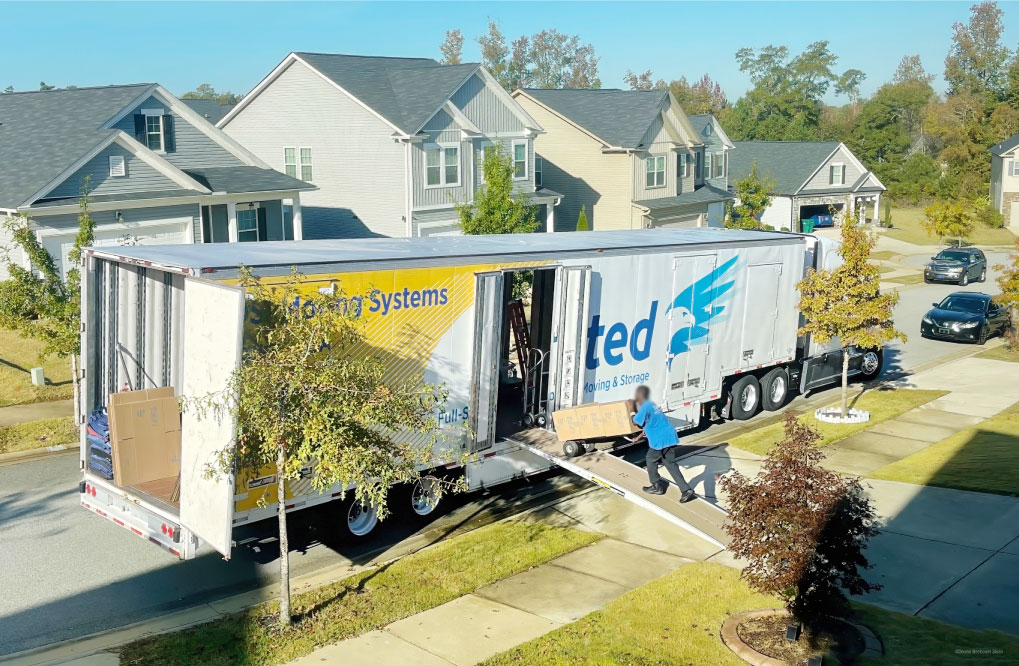
Denise Sloan/PCS Adventures
A worker loads the truck during a government contracted or military move.
How To Plan a CONUS PCS (Pt. 2)
Denise Sloan
In Part 1, I explained what a PCS means and how the service member’s orders spell out the basic (but very important) information on executing the move. Let’s discuss the types of moves available and how to make a decision on what works best for you.
The military offers three options for moving: government contracted movers, a Personally Procured Move (PPM—also formerly known as a Do-It-Yourself/DITY) or a combination of a government contracted move and a PPM. Here’s a breakdown of each option.
- Government contracted or military move: The government hires a full service moving company to pack, load, drive and deliver the entire shipment to a new location. You do some prep work and then supervise the operation. If you arrive at your gaining installation with no housing available immediately or other circumstances beyond the your control, the government will store your household goods (HHG) for up to 90 days. This is called Storage in Transit (SIT). After the 90 days if circumstances haven’t changed, you can apply for an extension to SIT.
- PPM (or old school DITY): The government pays the service member to pack, load, drive and deliver all the household goods to a new location. Rates of payment are released each May so they stay at fair market value. Options include things like UHaul rentals, a container delivery like PODS or even a full-service moving company. You still get 90 days of storage on the other end, but you’ll be paying out of pocket for everything until all of the paperwork goes through the finance office. It’s a set rate for storage.
- Combination of government contracted move and a PPM: You send the majority of your household goods with a government contracted mover. You also take some items yourself either in your personal vehicle or a rental moving truck. You are paid for whatever weight you move yourself.
A couple of things to note when deciding: The military will not pay to ship your vehicles or fly you to a new duty station with a CONUS to CONUS move. That means you’ll need to road trip from point A to point B.
The only way to ship your vehicle or fly to the new duty station is by paying out of pocket. There are rare exceptions to these rules, but I wouldn’t count on that.
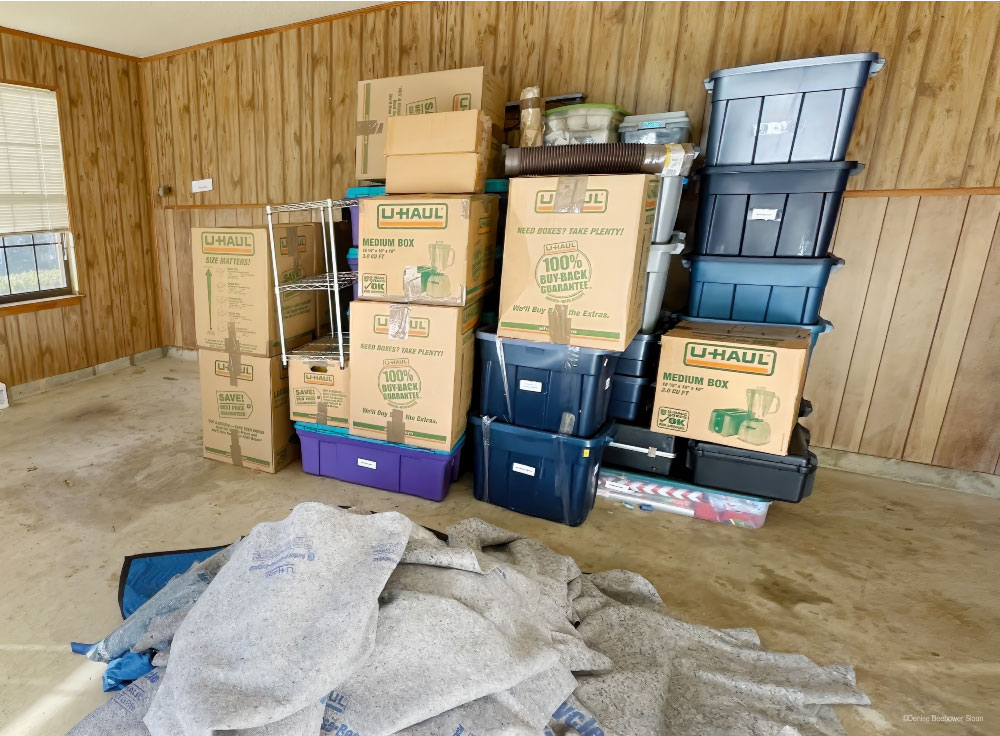
Denise Sloan/PCS Adventures
Choosing a PPM allows services members to move themselves.
I’ve made 11 PCSes over 24 years as a military spouse, a couple of them while my husband was deployed. In almost every instance we chose the combo move. Military contracted moving crews did the heavy lifting. But we took the basics with us in our own cars or the rented moving truck to tide us over until our main shipment arrived. For us, it was the best of both worlds.
There is no right or wrong answer on what option you should choose. What works for one PCS or one family might not work for another. For example, team member Ande and her husband once paid out of pocket to ship one vehicle because of snow storms in the mountains on the way to Joint Base Lewis-McChord, WA. They made a great decision that lowered their stress for that move.
So look at your specific circumstances and make a decision based on what would work well for you at this particular time. You can always do something different in future PCSes.
Still not sure? We created a quiz to help you determine what type of move might best suit you. Check it out here.
Housing
Once you’ve decided on the type of move, more decisions await you! Everyone needs some place to call home. What does this have to do with setting up a move? As I mentioned in the previous section, you’ll need some place to put all of your HHGs on the other end of a move.
You have three choices for housing:
- Military housing: Housing found on or near a military installation. Some single service members may be required to live in the barracks. Other service members can live in military housing that ranges from apartments to full size homes. This is one of the easier options, assuming the waitlist isn’t too long. Military housing requires no deposits. They generally allow up to two pets without a pet deposit, although there are breed restrictions. Utilities may be included in the rent or you may pay a fee, depending on the installation. Some military housing is nicer than others. It pays to do some research before blindly accepting a home long distance.
- A rental apartment or home: This would be privately owned apartments or homes off the installation. These types of rentals usually require first and last month’s rent, pet deposits and possibly pet rent (if you have pets). You’re responsible for all utilities.
- Purchasing a house: Many service members choose to buy a house and either sell it or rent it out when they PCS.
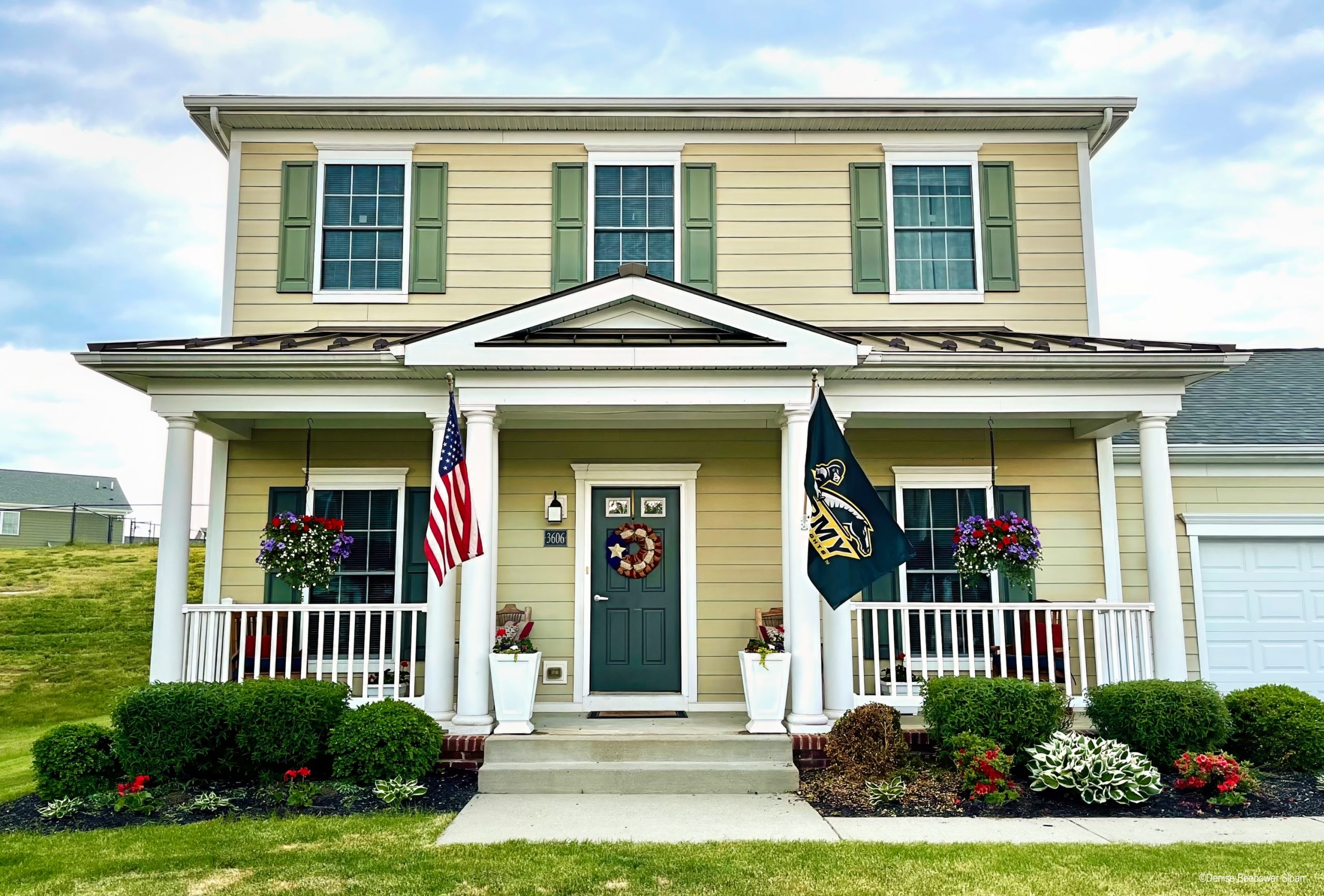
Denise Sloan/PCS Adventures
Military housing can be great like our last home at USMA in New York.
We’ve always chosen either the military housing or rental home option. But many of my friends prefer to purchase a home. Again, it really comes down to your financial situation, how long you think you’ll be at an assignment and your family’s needs.
Many service members use permissive TDY to take a house hunting trip. Others use leave for house hunting, but the expenses for the trip all come out of your own pocket.
We’ve always winged it. Of course, we’ve also never bought a house. Fellow military spouse Ande wrote a two part blog here and here that goes into more details on how to purchase a house long distance.
For both military housing and off-installation rentals, I’ve done research on the internet, networked through friends, asked questions in an installation Facebook group or waited until we arrived to search in person. We always found something. It might not have been my dream house, but it worked for the short two to three years we’d be there.
Join me next week when I walk you through calculating travel days and crafting your final moving plans.