
Mikael Damkier/Adobe Stock
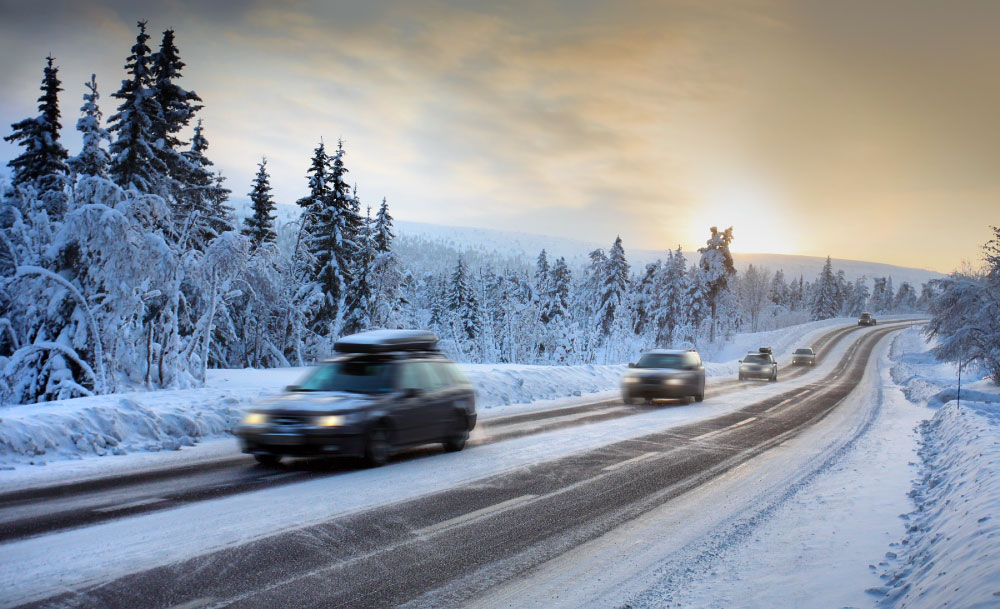
A winter PCS often means driving through snow.
Winter PCS Precautions
Ande Flagg
The military concentrates its efforts on PCSing service members twice a year: summer, when the air is hot and the asphalt is hotter, and winter, when the air is cold and the soul turns bitter.
The winter moving cycle might be quite pleasant for those moving along Interstate 10, where temps rarely dip below freezing and after the threat of hurricane season has ended. However, if you travel anywhere north of the Gulf States, you may need to take some extra precautions.
I don’t know anyone in the military who doesn’t keep an eye on the weather. I grew up in a Navy family in the 1980s, so although we only saw the weather-related news at 7 a.m. and 6:30 p.m., we made sure to watch as often as possible.
peopleimages.com/Adobe Stock
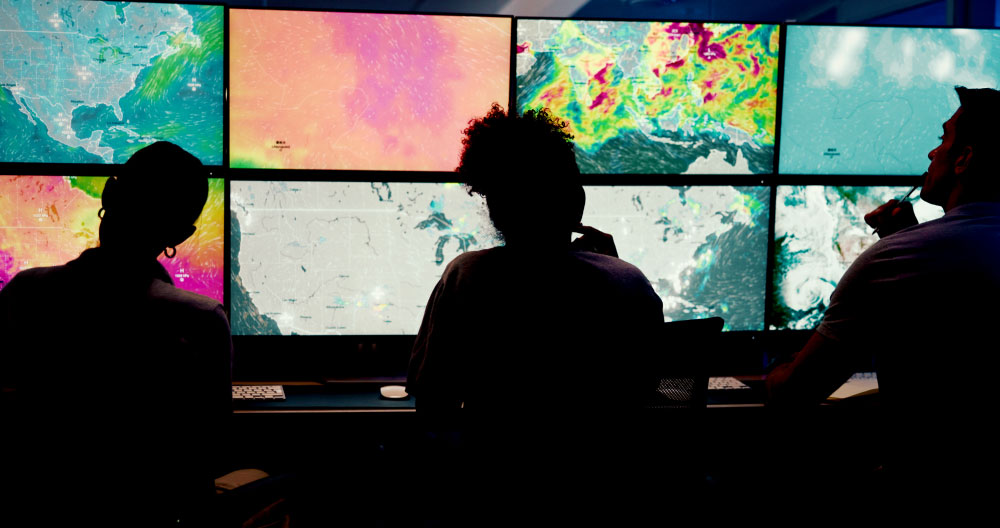
Checking the weather frequently helps you spot problems early during a winter PCS.
My dad was a pilot, so he sometimes called the National Oceanic and Atmospheric Administration (NOAA) hotline. I remember standing in line at a restaurant when he called NOAA from the pay phone because he had an early flight the next morning. (Remember, it was the ‘80s.)
Today, I check the weather forecast several times a day from my cell phone. When I have a trip or know Tim will be in the field, I start looking at the weather as soon as it is two weeks out from the date in question. This has become a habit, not to obsess over the ice, wind, and rain, but because I like to dress appropriately and be prepared for any scheduling hiccups that might happen along the way. This preparedness includes during the PCS process.
Avoid Weather Roulette
When you are amid a wintertime PCS, start watching the weather forecast a couple of weeks before your trip so you know if you need to make other arrangements. Do you need to leave a day or two earlier or later to miss driving in a winter storm? Are there alternative routes to your destination that will avoid the storm that is heading directly for your planned route?
While it may be inconvenient to add hours or even a day or two to your trip, it is easier to miss the winter storms altogether than to throw caution to the wind, as it were, and try to find emergency lodging or make last minute changes along the way.
Know Your Terrain
My Dad was a meteorologist as well as a pilot, so I received a wide range of education about various weather and climate-related topics growing up. One thing that I never grasped until Tim and I visited Mt. Washington, New Hampshire during our honeymoon is just how different the weather is on the mountain peaks compared to the valleys or low lying areas around them. (Sure, I can walk four miles up Mount Washington in the rain. Famous last words.)
If you are crossing a mountain range in the winter, give serious consideration to the quality of the roads you will be driving. If Google Maps suggests taking a state route or secondary road through a mountain range, you might want to investigate the quality of the roads. Interstates are often the roads in the best condition. If a storm is approaching, interstates and other primary roads will be treated before secondary roads.
Hugh Beebower/PCS Adventures
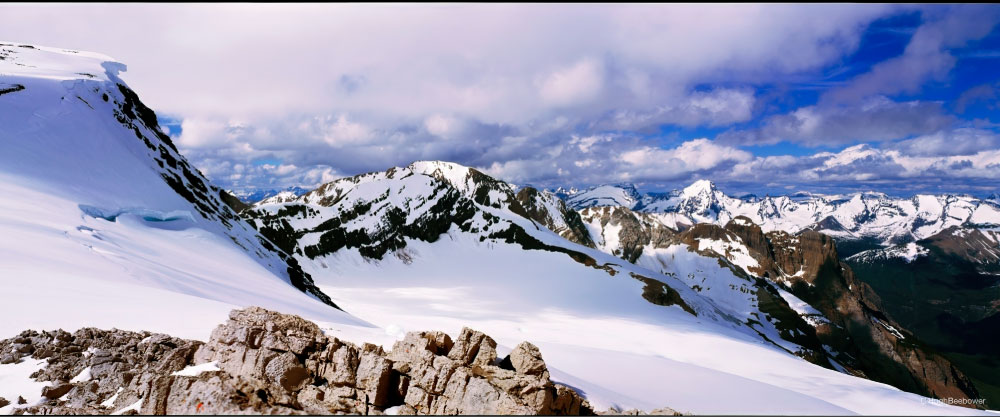
Sudden snow storms happen frequently at the higher altitudes in the Rocky Mountains.
Another thing to do when driving into or across the mountains is to check the restrictions on the state’s Department of Transportation website (or the equivalent). Some places, like Washington State, have laws requiring chains on tires during the winter for driving over the mountains. There are signs along the way that indicate when drivers need to pull off to put chains on their tires. (Fortunately, the Les Schwab Tire Center bought our chains back when we PCSed from Washington!)
Our Western states have another high-altitude feature to consider: the high desert. Keep in mind that if you drive in the high desert during a snowstorm, the moisture quickly condenses and dumps a significant amount of snow suddenly. There can be up to two feet of powdery snow fairly quickly. That’s great for skiing, but bad for driving.
Take paper maps
Definitely plan your drive. Use as many apps as you’d like. While using the apps, look for road closures and construction ahead of your travel. During the winter, many roads, particularly those in the mountains, will likely be closed.
Phil McDonald/Adobe Stock
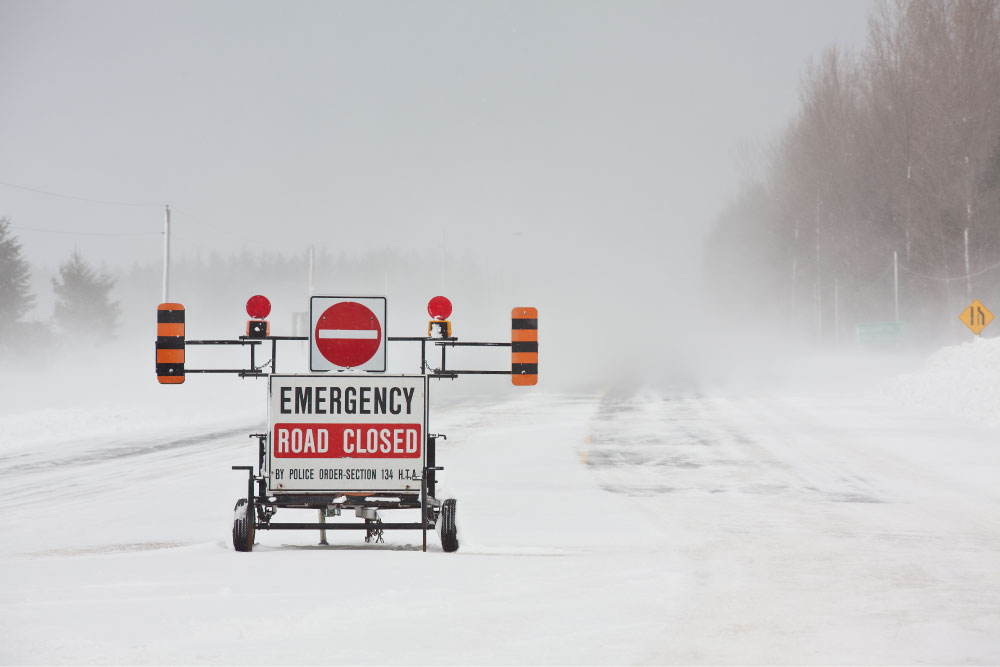
Unexpected road closures may require a route change.
Take paper maps too, either a map book or a fold out map will be fine. You never know when you might lose cell or GPS service. Paper maps will help you find your way through a loss of service. The key is to have an accessible up-to-date map.
If you prefer, you can print screenshots of your Google Map. I personally prefer AAA’s maps, since they keep them up to date and folding a map is easier than flipping through a book as I’m driving down the road.
Have Extras!
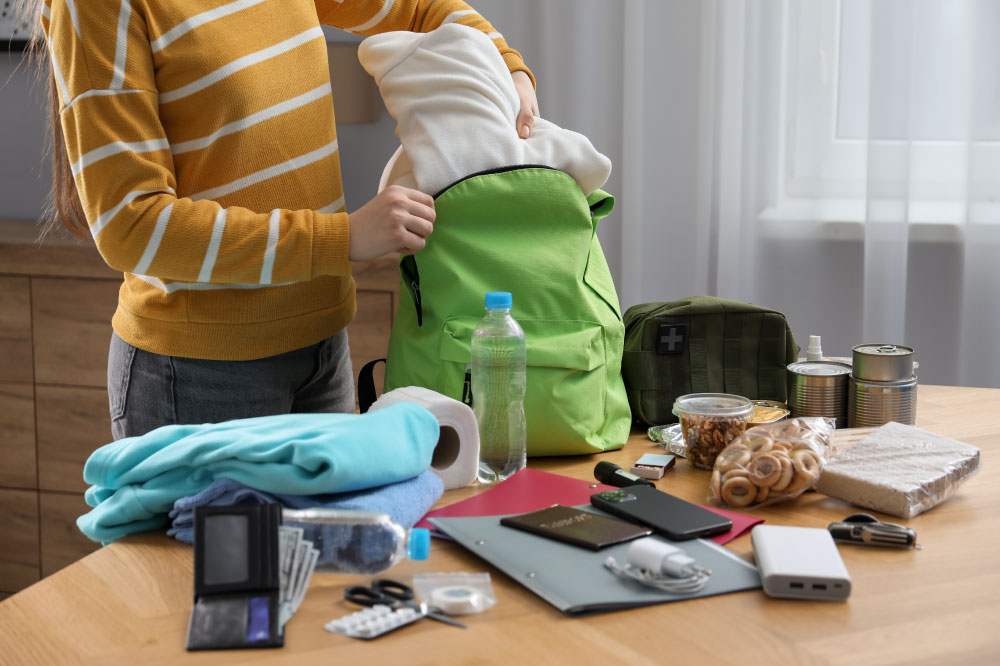
Your planning should include some emergency supplies carried in the car. Things I think are essential to have on hand include food, blankets, kitty litter to use for traction, a small shovel, boots that cover your mid-calf or higher, a change of clothes, a winter coat, a battery charger or car care kit, and hand and toe warmers. This is only a small list of the things my family has found helpful. You will want to have enough for your whole family. Fortunately, many of the clothing items may already be packed in your vehicle since you are PCSing.
Sometimes, though, we don’t automatically think of extra blankets or extra food. If you are staying at Aunt Janie’s along the way, a simple adjustment would be to make your sleeping bags accessible in case you need them in the car for warmth.
New Africa/Adobe Stock
Packing a winter supply kit definitely pays off in an emergency.
As for clothes, layers are good. A winter coat, a hat, and gloves are necessary to keep in the car. Most important: tall boots! If you are walking in feet of snow, you don’t want the snow to fall into your cute little ankle boots! Tall boots, please! (Don’t say I didn’t warn you!)
Sharing Your Plan
I have been out of my parents’ house for over 30 years. (YIKES!)
However, my mom still says, “Call when you get there!”
I think even if you are not going to see family, it is good to have someone who’s expecting you on the other end. Not going anywhere where you know someone? Have your service member make contact with his leadership or unit sponsor and tell him or her when you plan on being in town. If there is bad weather along the way and you are delayed, not only does it look like your service member was responsible and thought ahead, but someone will be aware that things did not go as intended and can call for help.
Other Important Details
Here are a few other things you should take in to consideration before hitting the road.
- Tune up the cars ahead of time! Ensure you have reliable tires and that all maintenance is up to date.
- Consider shipping a vehicle. You can ship one of your vehicles (on your own dime) so that you don't have to drive more than one car in bad weather.
- Allow plenty of time for your travel. Include buffer days in your schedule to enjoy the sights and to allow for any inclement weather to pass. Even something like a later start to the day allows ice on the roads to melt, making for shorter and safer travel days.
Most of the time, we can’t do anything about our PCS date. No matter the time of year, we dutifully pack up all our worldly possessions and trek across the country. We can, however, keep our souls from becoming as bitter as the weather. Take a few precautions. Do some additional seasonal planning. Buy sensible boots and discover the journey.