
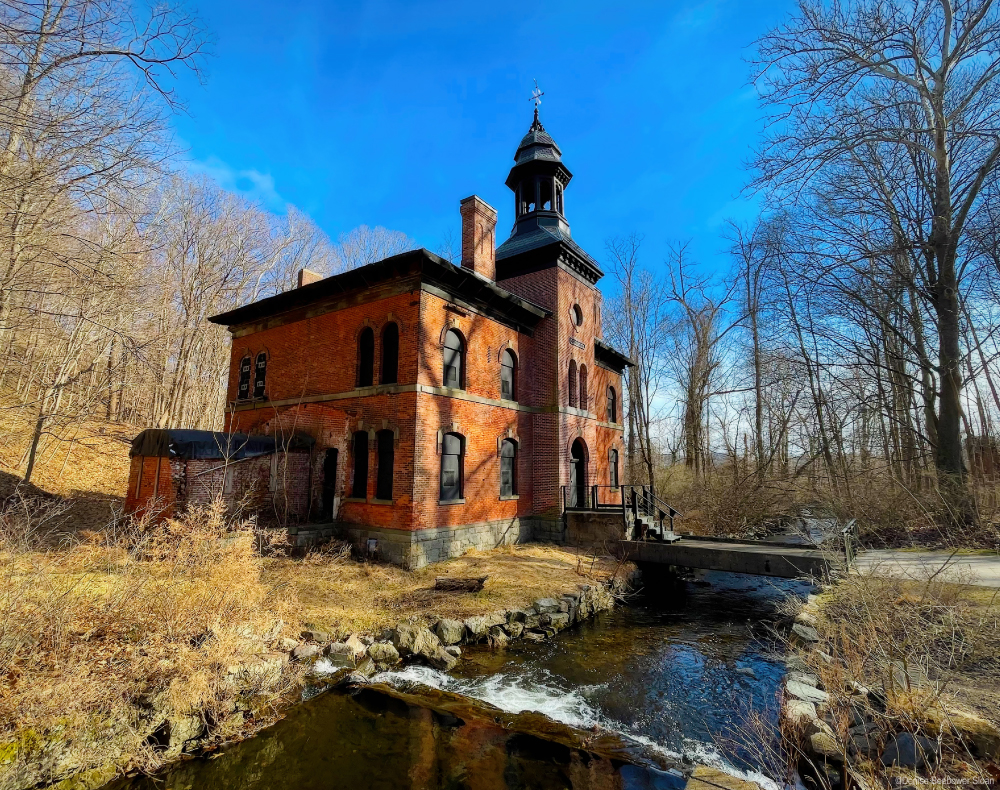
The Scenic Hudson group stabilized the 1865 office building but it is closed to visitors.
West Point Foundry Preserve, NY
Denise Sloan
What’s dog friendly, combines history with hiking and stays open even during the Hudson Valley’s winter? The West Point Foundry Preserve checks all of those boxes.
Our winter PCS to the United States Military Academy at West Point, New York meant few things in the surrounding area were still open for tourists. Stumbling across the West Point Foundry Preserve made us and our holiday house guests very happy.
The quick jaunt across the river landed us in the small town of Cold Spring. We wound our way through a maze of one way streets until we found the Preserve’s parking lot.
After bundling up, we chose the Yellow Foundry Trail followed by the the Red Trail to explore Foundry Brook. We stopped every so often to read plaques about the history of the valley. All totaled it was a nice 1.5 mile stroll. Our dogs, Lucky and Smilla, snuffled along too picking up new scents and staring down inquisitive squirrels.
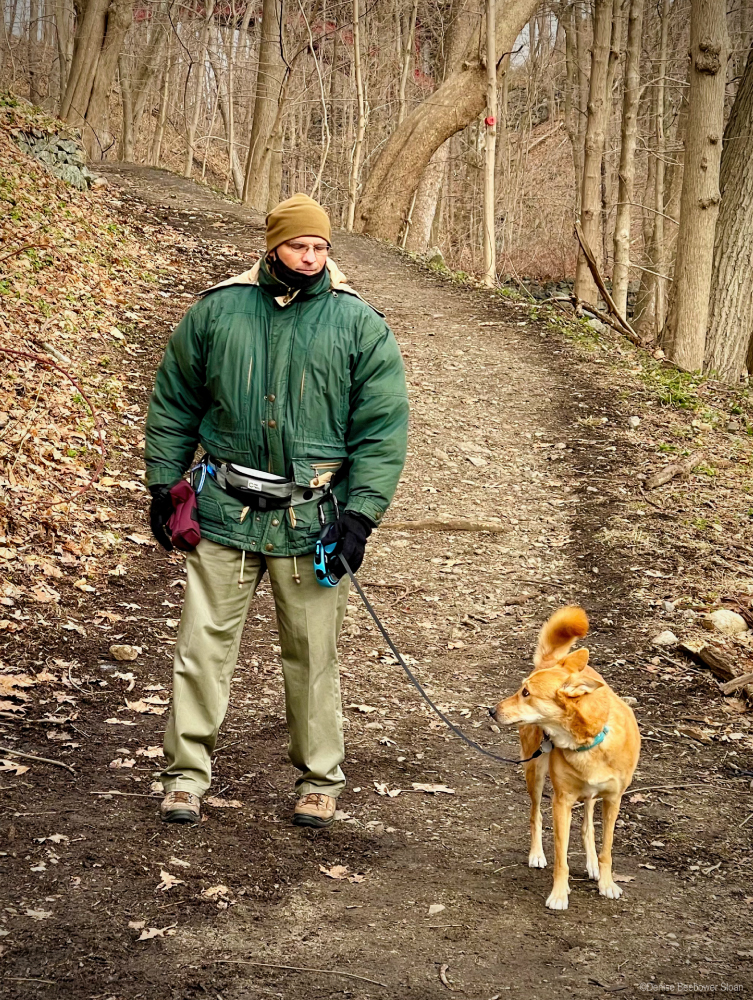
Jonathan and Smilla hike the red trail at the preserve during winter.
Illustrious History
At one time this little valley next to Cold Spring bustled with industry and 1,400 workers. From 1818-1911 the ironworks churned out the nation’s first steam engines, locomotives and a specialized cannon invented by the superintendent. Iron ore mines for materials, timber for fuel, the Foundry Brook for power and the Hudson River for transport made this area perfect for the West Point Foundry.
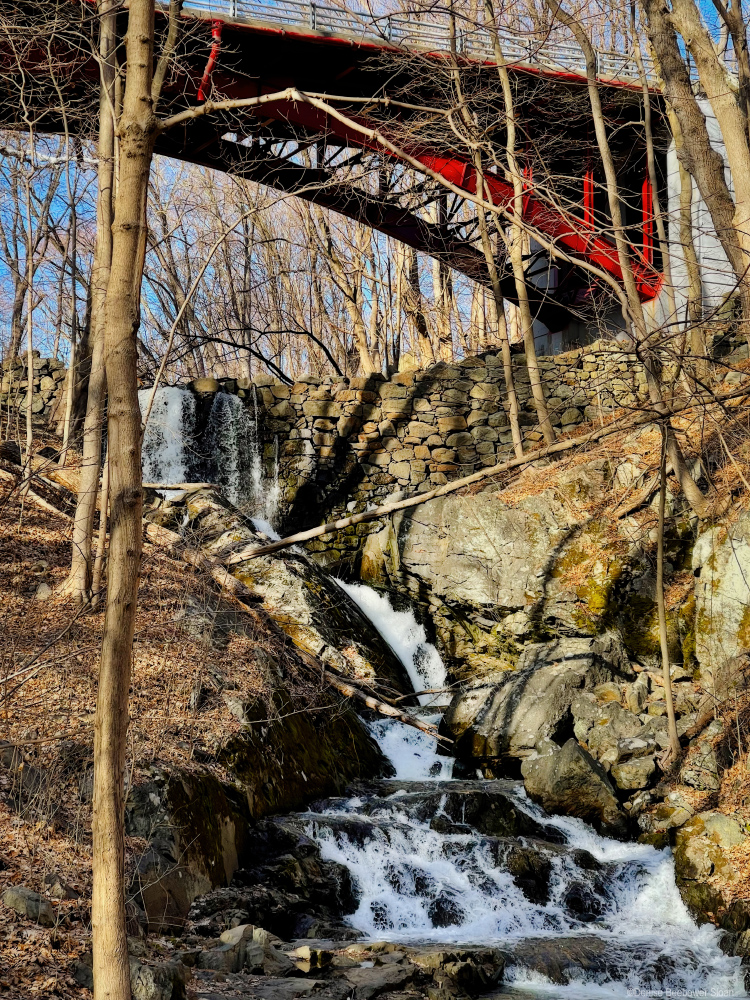
The Foundry Brook rushes down the valley and empties into the Hudson River.
Without giving away all of the stories waiting to be uncovered during your exploration, the foundry played a huge part in America’s Industrial Revolution as well as the Civil War.
President Abraham Lincoln actually visited the foundry in 1862 to inspect superintendent Robert Parker Parrot’s newly-invented, much-more-accurate Parrot rifle. Parrot was a West Point graduate who eventually resigned his commission to lead the foundry to new levels of success.
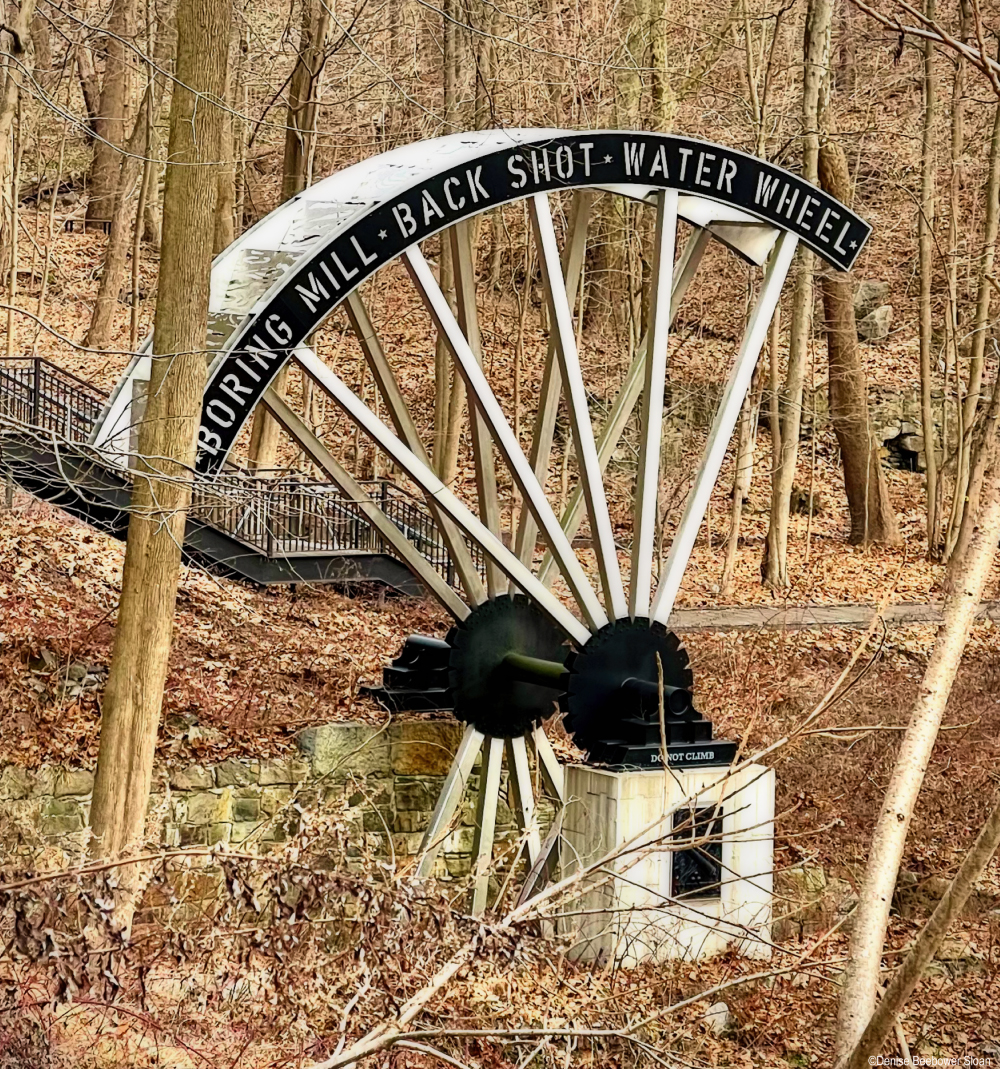
The water wheel powered the machines that helped make America.
Parrot’s cannon impressed Lincoln so much he promptly ordered more than 2,500 cannons and 3 million projectiles.
After the Civil War the foundry slowly lost importance as manufacturing techniques changed. It finally closed in 1911. The buildings slowly decayed and the forest took over the valley once again.
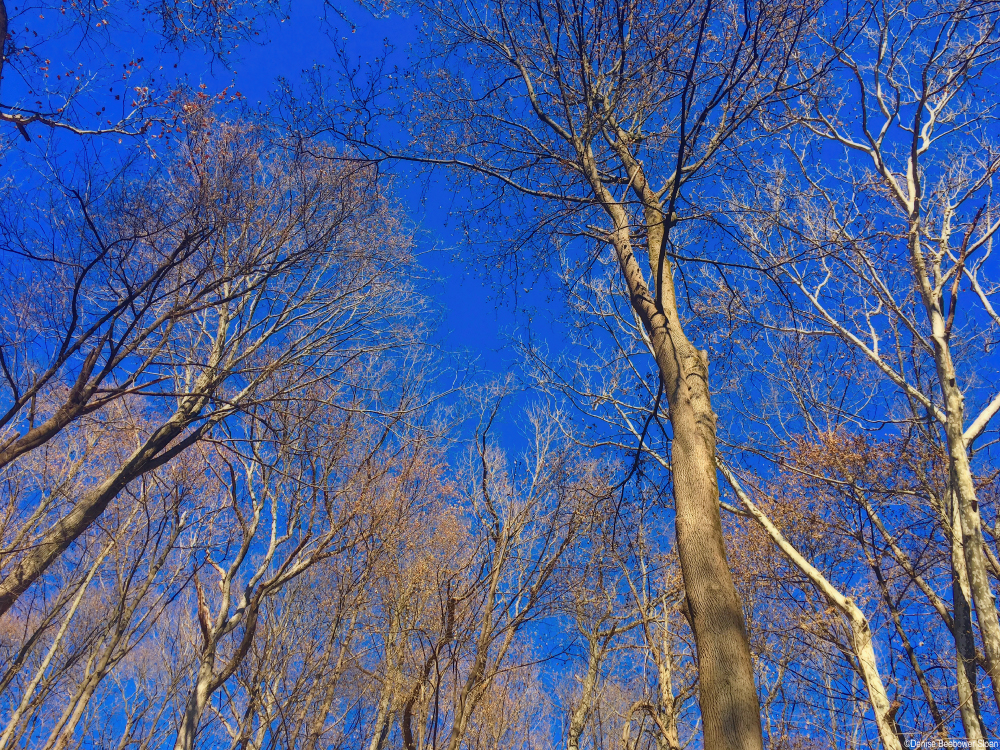
A bright blue winter sky makes a stark contrast to the tree branches.
History Prompts Preservation
By 1990 pollution overtook the valley and nearby cove. That attracted the US Environmental Protection Agency. They deemed the area a Superfund Site and removed 189,000 tons of toxic waste and brought in clean fill material. During the clean up 100,000 historic artifacts were uncovered and preserved.
The Scenic Hudson group purchased the land in 1996 to preserve the history as well as the forest. After cleaning up tons of trash, they created the walking trails, stabilized remaining buildings and put up plaques with historic information.
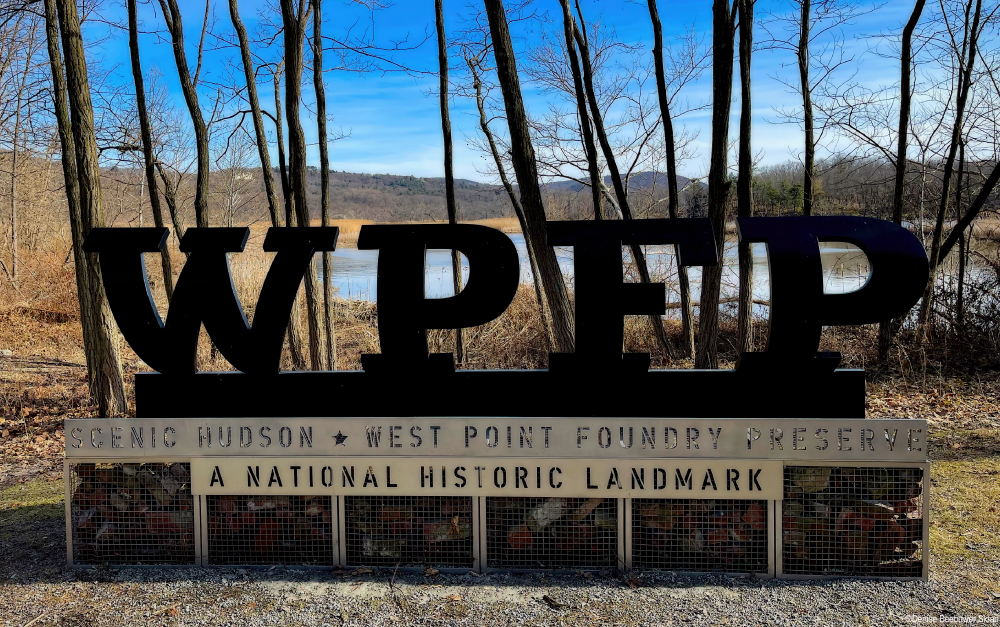
The Scenic Hudson group proudly restored the valley and preserved a slice of American history.
Today three trails from half a mile to a little over a mile each wander through history as well as the forest. The trails also give visitors a chance to bird watch, stop for a picnic or just enjoy Foundry Cove’s serenity.
Worth the Trip
We’ve returned numerous times just to enjoy a stroll through the forest. Seeing woodpeckers, enjoying the sounds of the brook rushing toward the Hudson and imagining what life was like in the valley makes a trip to the West Point Foundry worthwhile. History buffs and outdoor enthusiasts will enjoy walking back in time no matter what season they visit this Hudson Valley gem.
Closest Military Installations
MWR Locations Nearby
If You Go:
- Admission is free.
- WPFP provides free parking on site.
- The Preserve is open dawn to dusk.
- This is a popular park with joggers, hikers and dog walkers. If you prefer solitude, go very early in the day or just before dusk.
- Pets are welcome but they must be on a leash.
- Stay on marked trails. The park is surrounded by private property.
- Relic hunting and collecting is prohibited.
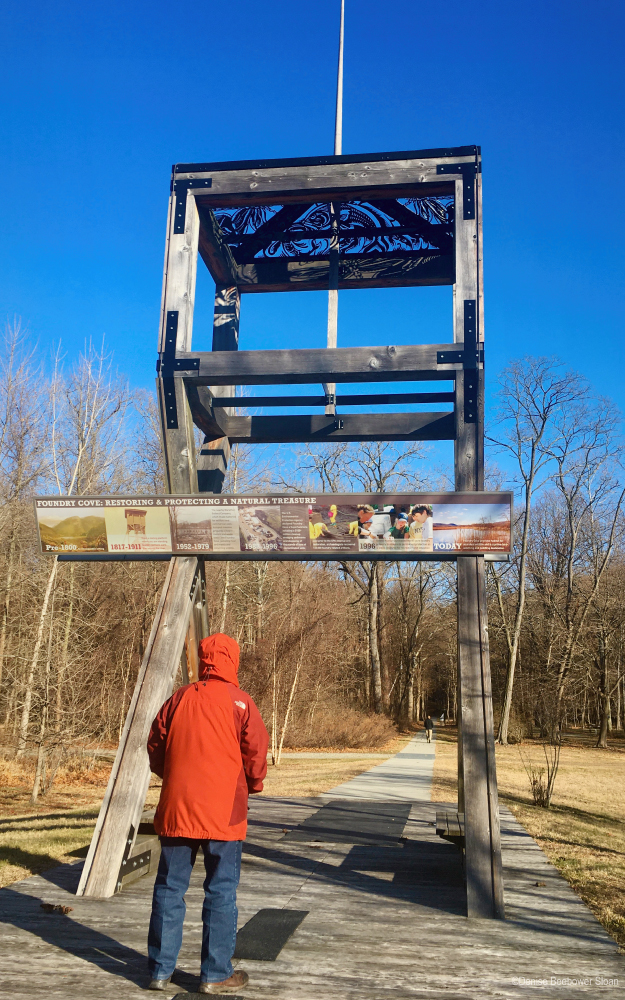
Workers tested the cannons by firing from this platform to a target across the river on Crow’s Nest Mountain.
- No swimming, smoking, BBQ, fires, boat launching/docking, drones or alcohol are allowed.
- The road to the park winds through Cold Spring’s alleys and narrow streets. Keep going. You haven’t taken a wrong turn. Eventually a large field will appear on the right. Follow the road downhill to the parking lot. Check the website for specifics.
- Visit Cold Spring next door to the Preserve for treats like ice cream or shopping.
- The Putnam History Museum at 63 Chestnut St., Cold Springs provides in depth information on the history of the West Point Foundry.