
Denise Sloan/PCS Adventures
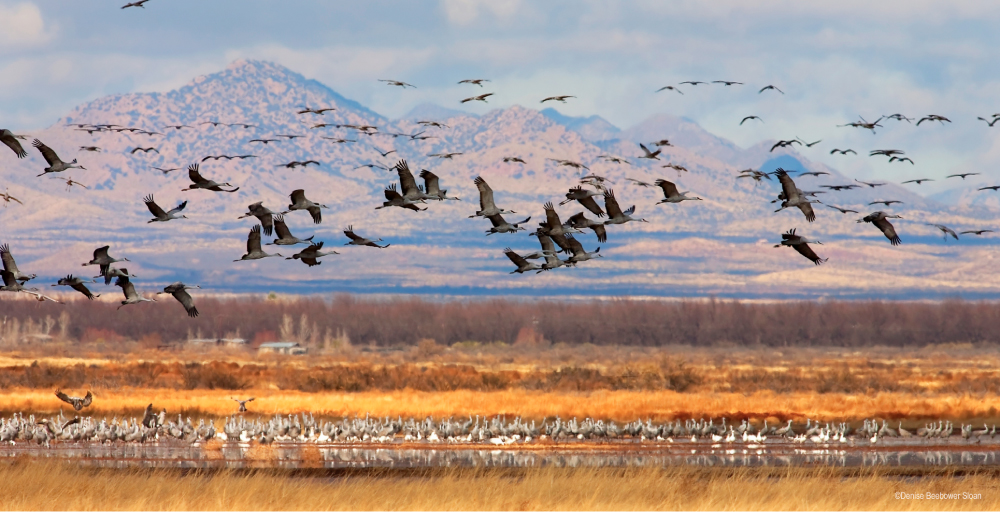
Sandhill cranes return to Whitewater Draw Wildlife Area after a day of foraging.
Whitewater Draw Wildlife Area, AZ
Denise Sloan
The predawn cold seeped into our bones despite three layers of clothing. As Dad, my husband and I walked to our shooting locations in the dark, the ponds were eerily quiet. The soft hoot of an owl broke the stillness just as we began setting up our gear. Then complete silence again.
As the sun began to kiss the mountains, we could finally see the ponds before us. Thousands of elegant sandhill cranes were packed close together standing stock still in the shallow water. Suddenly a solo trumpeting call reached across the water to us. Within seconds a quartet answered back with loud, rolling bugles. Then one bird was air borne.
Rapidly thousands of sandhill cranes began calling and flying out in the crisp morning air. The controlled chaos of flapping wings and rolling bugle calls were deafening. Within a few moments the once packed ponds were empty. Stray feathers fluttered quietly down and the skies turned gray with a mass of hungry cranes.
Denise Sloan/PCS Adventures
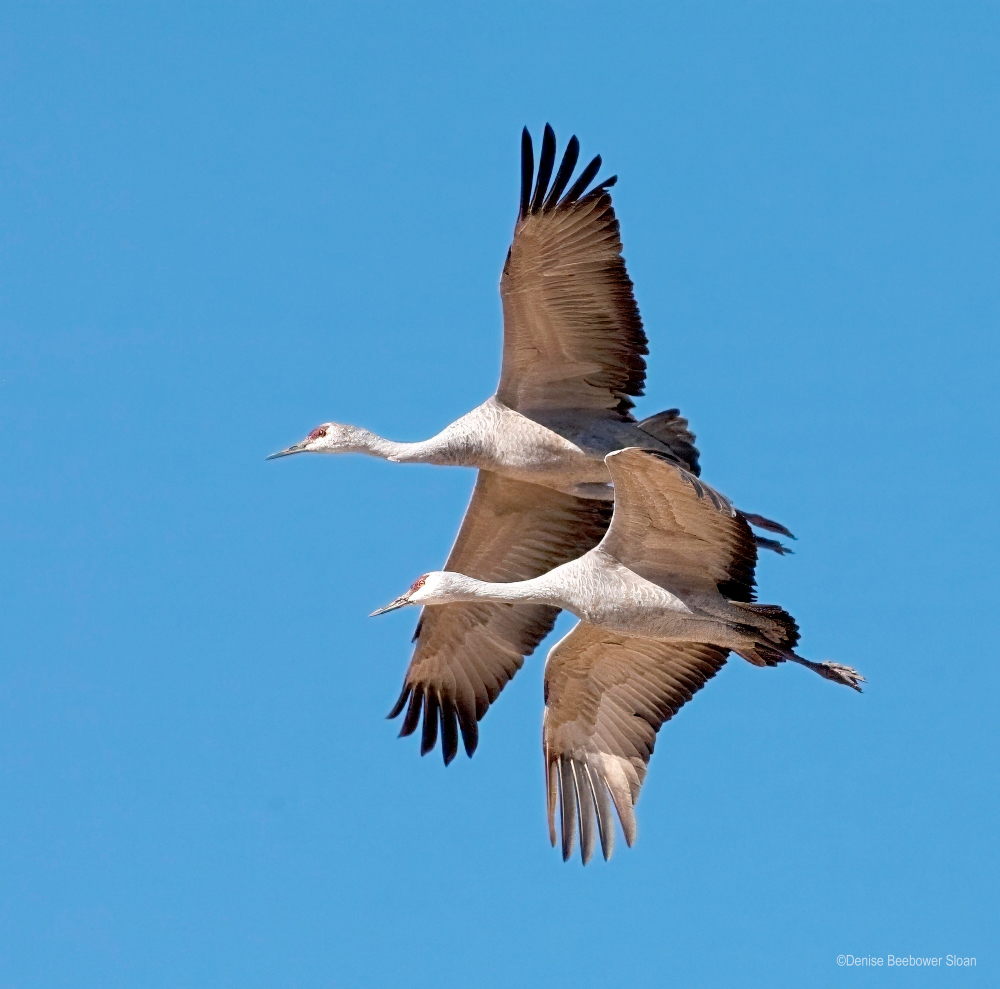
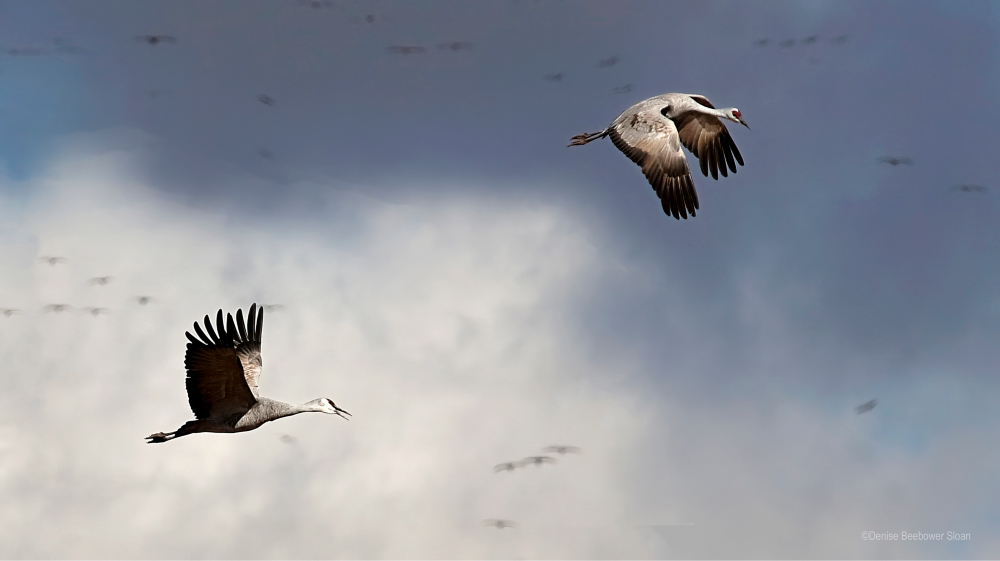
Sandhill cranes fly out in tandem to glean food from nearby fields.
They were off to local agricultural fields to glean grains and corn left behind from harvest. It’s the perfect combination for these magnificent birds, shallow-water roosting areas that provide protection from predators and plentiful food nearby. Whitewater Draw Wildlife Area is, for the cranes, a desert oasis. It is an oasis for wildlife lovers and photographers too.
Whitewater Draw near McNeal, Arizona is a little known gem of 1,500 acres. The area consists of a mix of ponds and grasslands that support a vast array of wildlife. Compared to the famous Bosque del Apache in New Mexico, Whitewater offers less human traffic and plenty of shooting opportunities.
Are you sure about this?
The first time my husband and I drove out to Whitewater from Ft. Huachuca, I’d begun to think our directions were wrong. During our hour and a half drive to the middle of nowhere we didn’t see a drop of water anywhere. The dry, bush-filled valley is dotted mostly with ranches.
In fact, Whitewater used to be a working ranch that the Arizona Game and Fish Department purchased in 1997. The agency now irrigates the shallow ponds that draw sandhill cranes by the thousands.
Denise Sloan/PCS Adventures
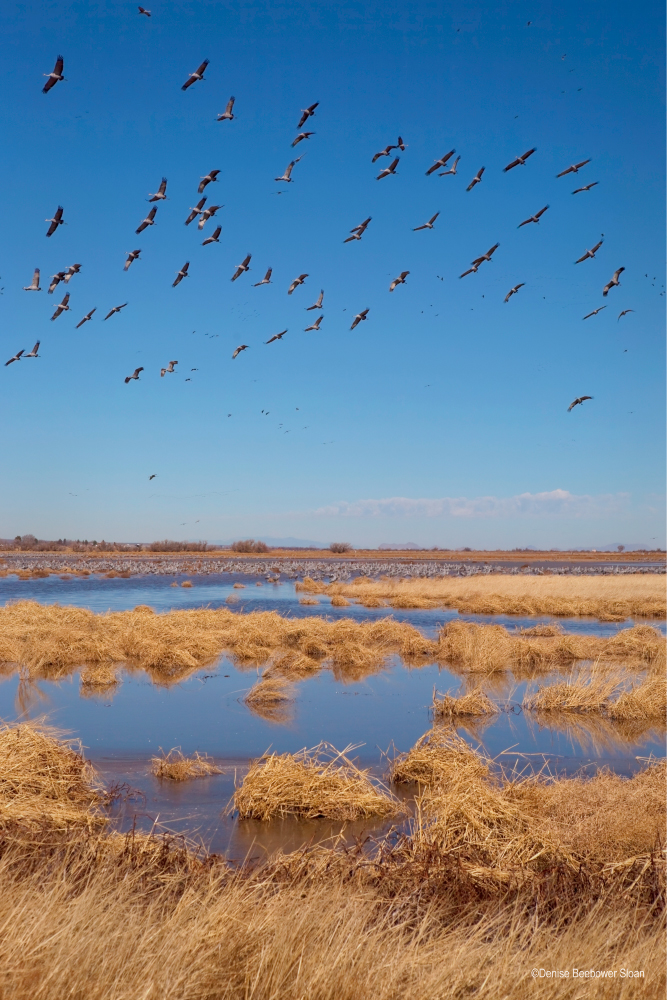
Whitewater’s wetlands are perfect for sandhill cranes.
But you don’t see water until you turn off the rutted, dusty road that leads you to the refuge. Then the desert becomes a watery retreat teaming with wildlife. We couldn’t wait to get out and explore.
Someone thoughtfully created wide, smooth walking paths around the ponds. That’s very helpful at o-dark-thirty in the morning when you’re carrying camera gear. They also installed viewing decks, a few scopes and informational signs about the wildlife.
But what I love about the place is that it isn’t overdeveloped and certainly not crowded. Very rarely did we run into other people in our pre-dawn tromps. Even during the peak season for the cranes, it wasn’t nearly as congested as Bosque.
Cranes, Cranes and More Cranes
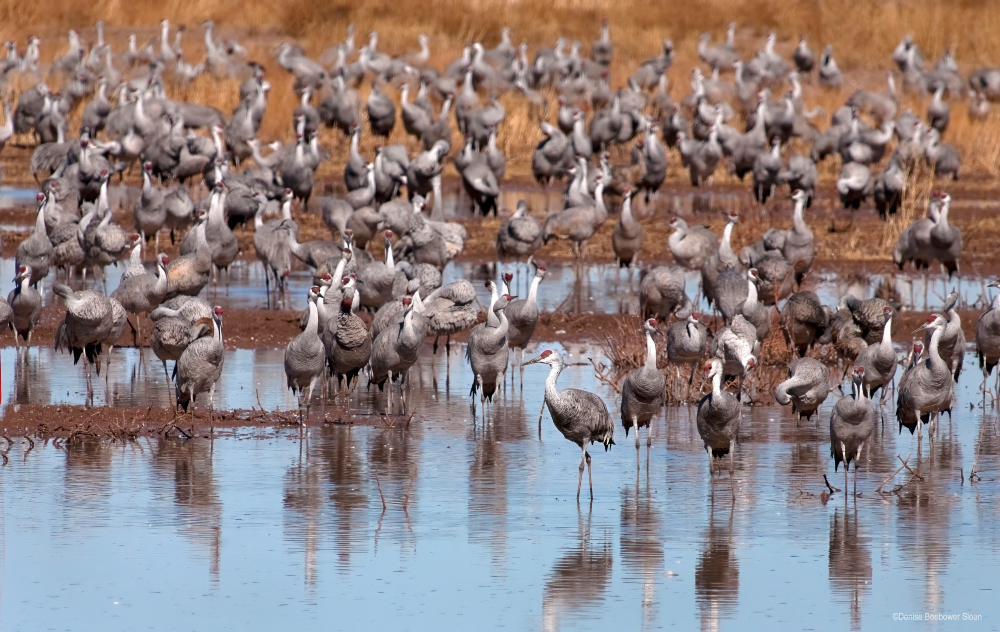
We’d come to photograph the cranes. We weren’t disappointed. Officials estimated there were about 20,000 of the gray birds hanging out at Whitewater, their winter home.
Sandhilll cranes have a graceful elegance about them despite their large size. Cranes can reach 5’ tall and have a remarkable wingspan of 6-7’. Yet they perform amazingly choreographed mating dances with ease.
Denise Sloan/PSC Adventures
Hundreds of sandhill cranes mill about the wetlands at Whitewater Draw.
There are six subspecies of sandhill cranes. These subspecies are broken into different groups based on their migration patterns. Members of the Mid-Continent and Rocky Mountain populations visit Arizona, New Mexico, Texas and northern Mexico during the winter, but they make a remarkable journey to reach their breeding grounds as spring approaches.
The Mid-Continent group travels from Whitewater to their summer breeding grounds in Canada, Alaska and northeastern Siberia. The Rocky Mountain group doesn’t go as far, sticking to Idaho, Wyoming, Montana, Utah and Canada.
Denise Sloan/PCS Adventures
Sandhill cranes fly out to local fields to find food.
Each year the cycle continues. After the breeding season, the birds begin to gather in late August for the southern journey. By September and October the cranes begin showing up at the ponds and marshes at Whitewater. They hang out in the desert enjoying their custom made resort until February or March. Then they prepare to head north.
The Other Guys
While we came primarily to photograph the cranes, we quickly realized there were a lot of other fantastic birds hanging out at Whitewater. They love the area for the same reason as the cranes-plentiful food and water.
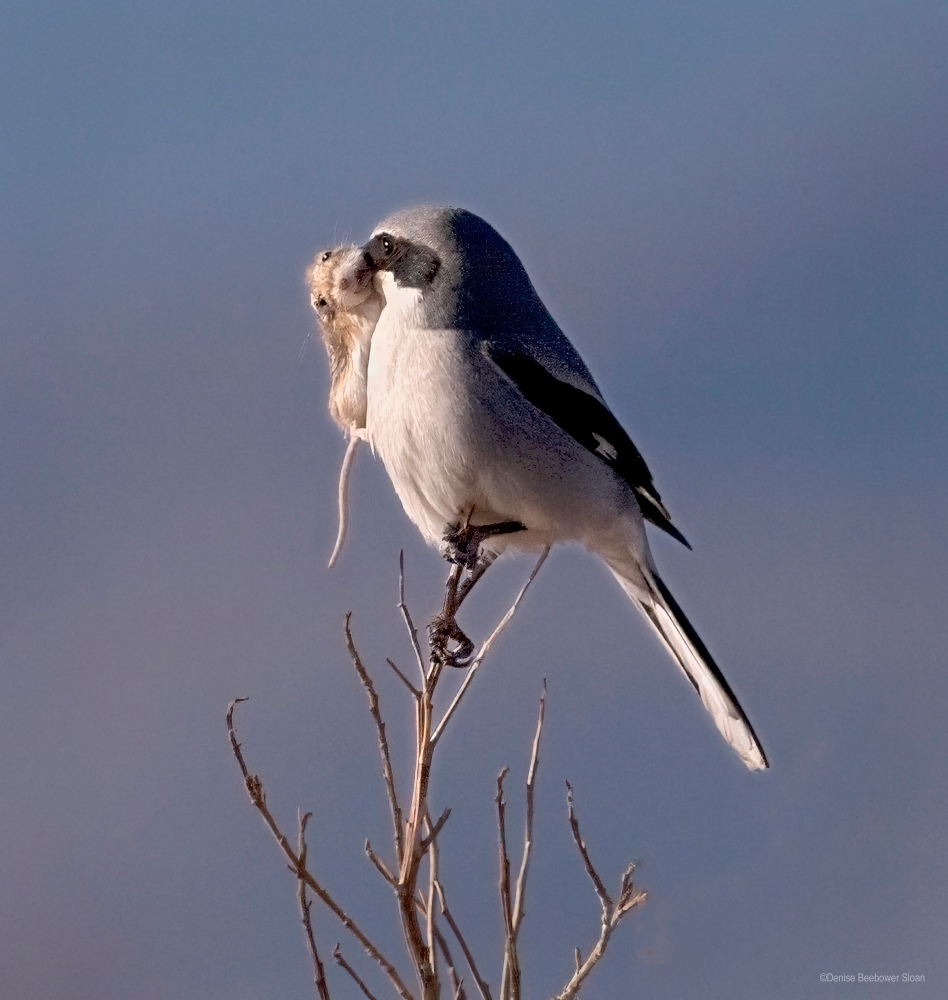
On one of our early morning adventures I was walking to my Dad’s shooting location when a loggerhead shrike flew right in front of me carrying something in his beak. Reflexively I whipped the camera up and shot quickly. This cute little mouse was unfortunately on the shrike’s breakfast menu.
Denise Sloan/PCS Adventures
A loggerhead shrike catches breakfast at Whitewater Draw.
The loggerhead, to borrow a phrase from The Cornell Lab of Ornithology, “is a songbird with a raptor’s habits”. It sure is a cute little bugger. However, you might look at a shrike a little differently after learning about its unusual habit. The shrike kills its prey with its sharp, hooked beak and then stores stores its food by impaling its victims on thorns or barbed wire.
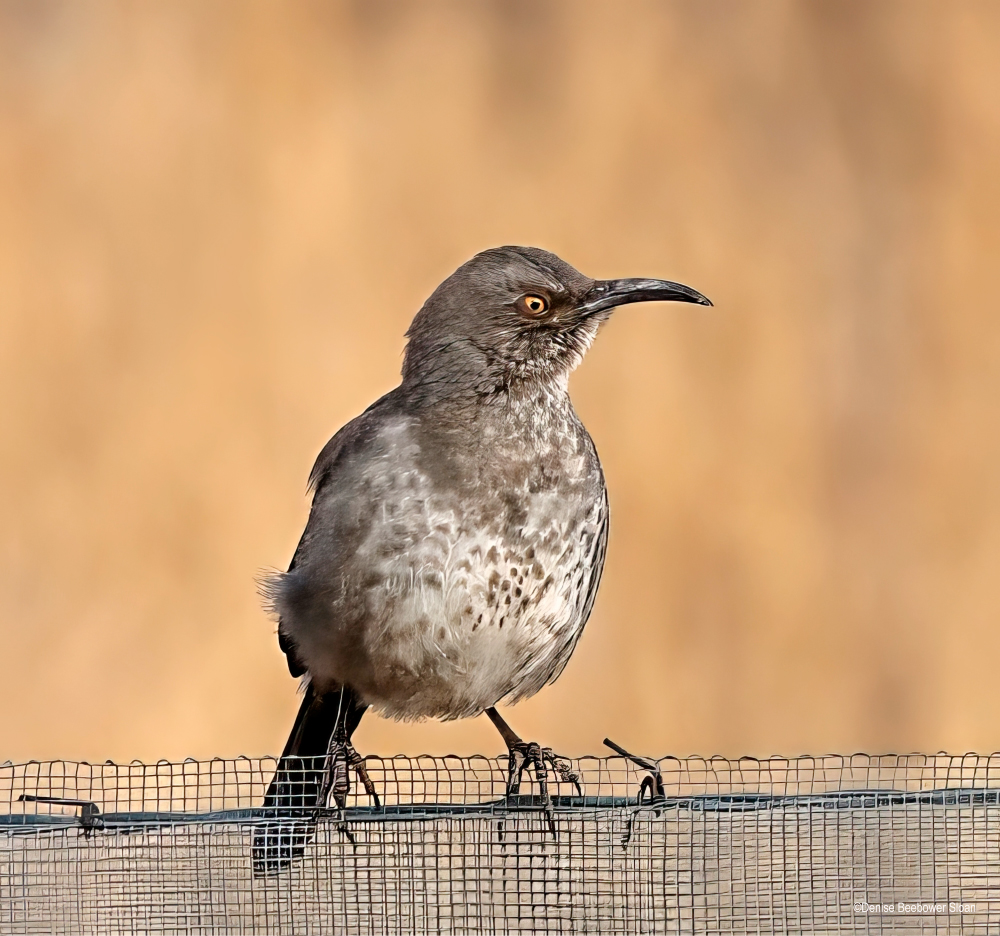
The shrike wasn’t the only “non-crane” I found at Whitewater. Each morning when we pulled into the parking lot I noticed a curve-billed thrasher sitting on the fence. It always kept a close eye on us as we walked by, but it never flew away. Since the thrasher seemed to be as interested in me as I was in it, I stopped and took its photo.
Denise Sloan/PCS Adventures
A curve-billed thrasher greeted us every morning in the same spot near the parking lot.
You’ve got to admire this guy. Thrashers often build their nests on cholla cacti or other spiny plants. The spines and thorns provide protection from predators like snakes. But cholla have vicious spines with hooks on the end that once embedded are very painful to remove. How this bird manages to build and nest and stay spine-free is a mystery. Kuddos my curve-billed friend!
The shrike and thrasher are the tip of the iceberg at Whitewater. Depending upon the season, I regularly saw cinnamon teals, northern shovelers, vermilion flycatchers, owls, a variety of sparrows, hawks of several varieties and shorebirds.
Denise Sloan/PCS Adventures
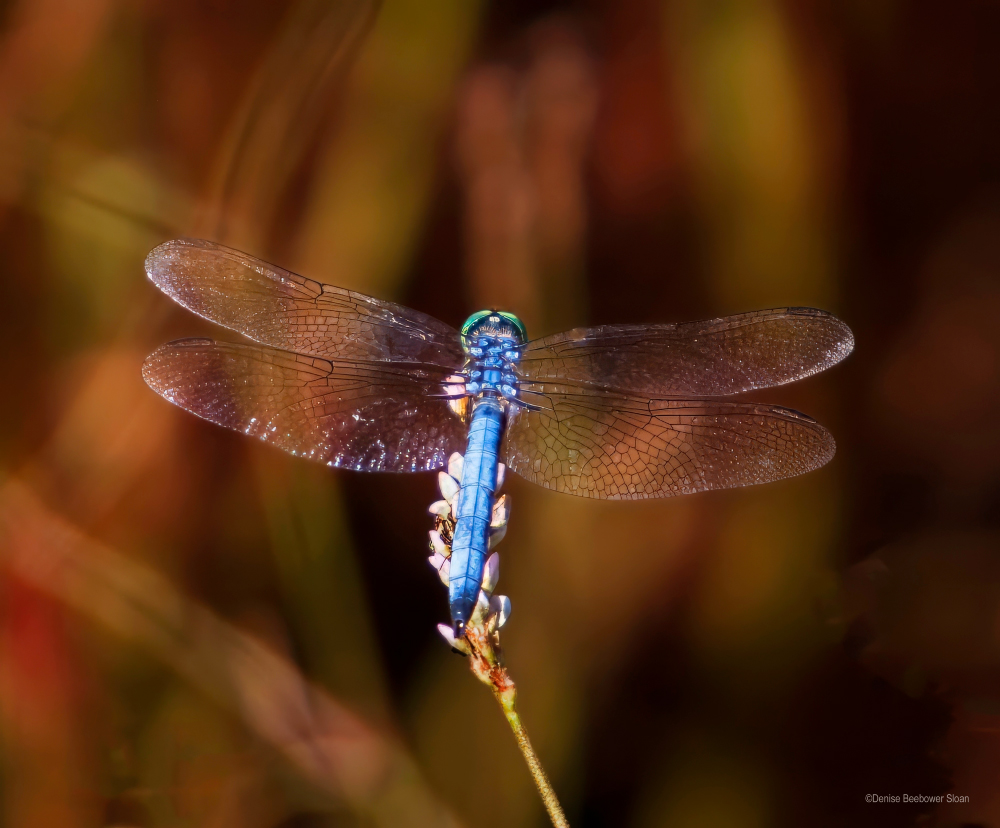
A blue dasher dragonfly waits patiently as I photograph it.
Birds aren’t the only wildlife at Whitewater. Coyotes stalk the cranes, deer graze in the grasslands and the plains leopard frog calls the marsh home too. Not to be out done, Mohave and Western diamondback rattlesnakes plus a plethora of reptiles like the Texas horned lizard inhabit the land too. During the summer months you’ll find colorful butterflies and dragonflies along with copious amounts of blood-sucking mosquitos.
Whitewater’s main draw may be the sandhill cranes, but the desert oasis attracts a wide range of wildlife just waiting to have their pictures taken.
Closest Military Installations
MWR Locations Nearby
If You Go:
Check out the Whitewater Draw Wildlife Area website for more detailed information on what to expect and how to get there.
Be prepared. Whitewater is literally surrounded by desert. The closest gas station is about 6 miles north in McNeal, Arizona. But it’s open extremely limited hours and closed on Sundays. So fill up the gas tank, bring lots of water and your own food. Don’t forget the bug spray and sun tan lotion in the summer.
Jonathan Sloan/PCS Adventures
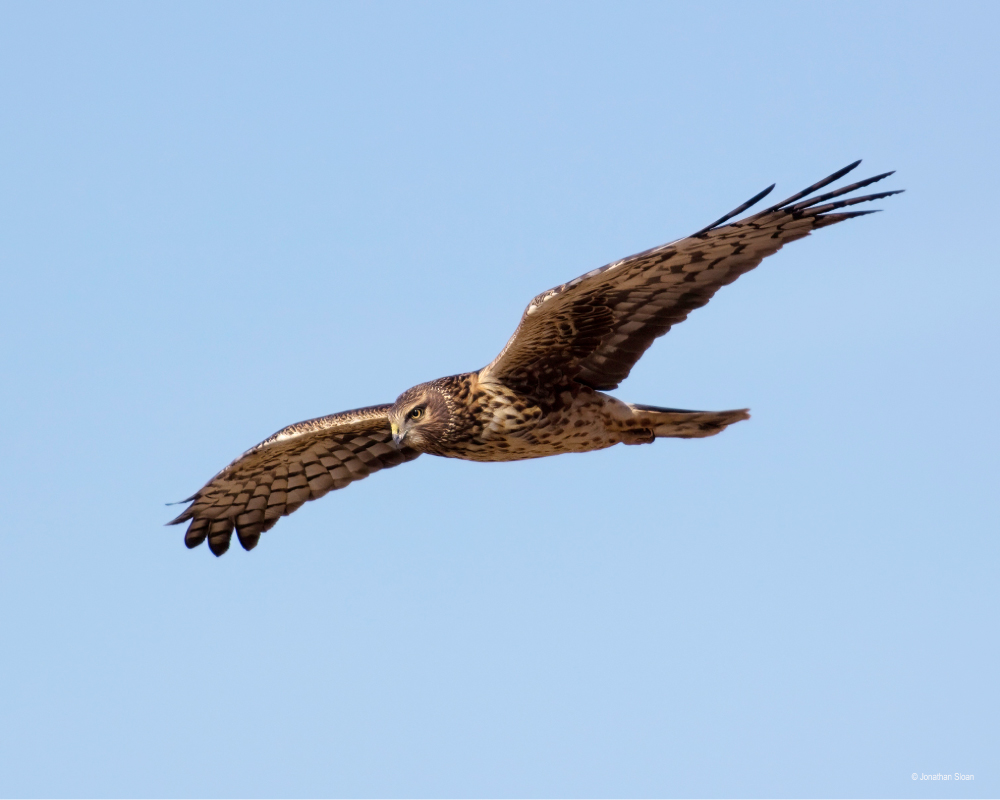
A northern harrier hunts over the wetlands at Whitewater Draw.
Summer is broiling hot and winter can be very cold or mild. Just depends on the day.
Cell phone service is spotty at best. Plan accordingly.
Also consider your clothes when heading out. If you hope to see lots of wildlife, a white or bright shirt screams “HUMAN” to a crane. All it takes is one nervous crane noticing you and the whole bunch will fly further away. Brown, green and mottled shirts and pants are great as is a hat.
Go very early or late in the day. You’ll see the most wildlife during these times. We preferred arriving before dawn. We rarely saw people so early in the morning. We did, however, see lots of wildlife.
In the hour or two before sunset, there were more people and the wildlife was a little spooked at times. However, you can get a nice sunset shot with the mountains in the background.
Denise Sloan/PCS Adventures
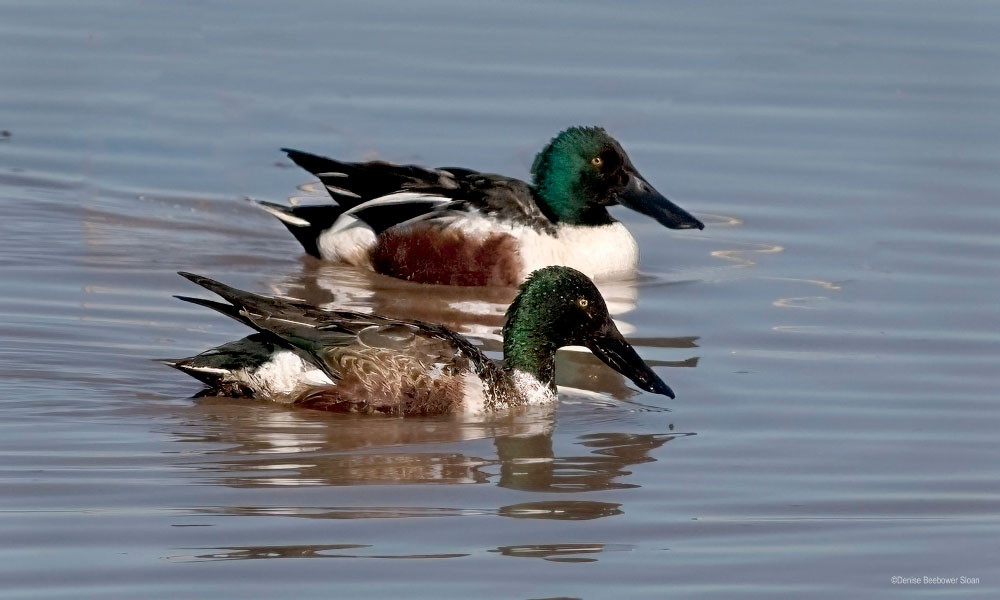
Two northern shovelers hang out in a wetland area of Whitewater Draw.
During the monsoon season the dirt roads leading to the refuge can become muddy messes. Try to avoid going there right after a heavy rain unless you have 4-wheel drive.
The area is pet-friendly, but I’d recommend leaving Fido at home. One excited bark from a dog and the birds will spook and fly away.
You can reach Whitewater from Ft. Huachuca, Sierra Vista, Bisbee, Tombstone, Douglas, Willcox or Tucson. The best thing to do is use Google maps to create a customized route. The directions, in our experience, were accurate.
Finally, be aware of what’s happening around you. There are hazards like rattlesnakes as well as human hazards. The area is about 36 miles from the border of Mexico.