
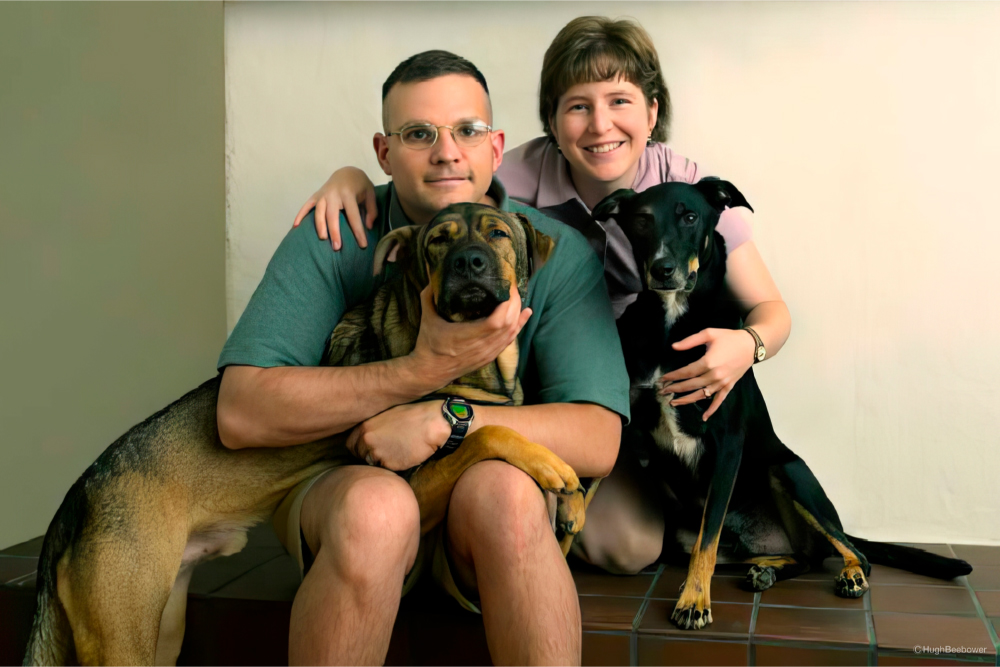
We adopted two dogs within our first year of marriage.
Pets and Military Life
Denise Sloan
My husband and I adopted two dogs within our first year of marriage. Those two rascals gave us a run for our money. But military life as a pet owner came with a few challenges that we didn’t anticipate. We had a steep learning curve as we traveled through our military journey. Here’s what I wish we’d known before we adopted our dogs. Knowing these things wouldn’t have kept us from adopting dogs, but it would have made life a little less stressful.
The Cost
Owning a pet is expensive. Owning a pet while serving in the military can be astronomically expensive. Most of that expense comes from moving so often, especially if it’s an OCONUS move.
Some of the costs could include: food, treats, vet bills for annual shots, bloodwork, flea and tick medicines, microchipping, dog walkers, groomers, kennel purchase, boarding fees, dog trainers, hotel fees, flight fees, health certificates, quarantine costs, special tests to enter other countries, non-refundable pet deposits for housing, pet rent and fencing (rental or other).
My advice? Save money, lots of money. In January of 2024 the military began offering pet pcs reimbursements for one pet per household up to $550 for CONUS moves and $2,000 for OCONUS moves. That sounds like a lot, but it’s not an automatic reimbursement and may not cover all of your moving expenses, especially if you have more than one pet.
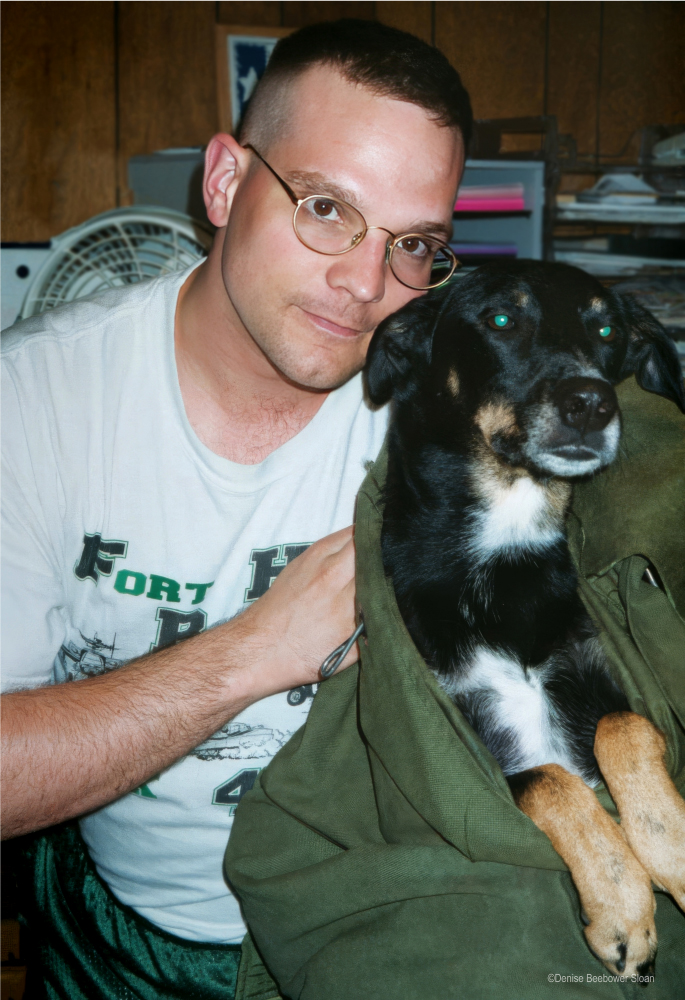
Our dogs became PCS pros early in life.
Many pet owners are getting sticker shock when flying their furry family members overseas. Animals 20 pounds or less generally can fly in the cabin for a nominal fee. But animals more than 20 pounds must fly cargo and the cost is determined by a number of factors like the weight of the animal and type of flight (military vs commercial airline).
For those with large dog breeds it’s not uncommon to pay $2,000-7,000 for one animal if a military flight is unavailable. And since orders could come at any time, this catches many people off guard and unable to afford the pet fees. So consider the size of your potential pet before bringing them home as well as what happens if you can’t afford to move your pet with you.
Breed Restrictions
While most of this article is about dogs, it’s important to note that exotic animals are not an option for service members who ever plan to live in military housing. Military housing and many countries you may PCS to ban animals like reptiles, rodents, ferrets, hedgehogs, skunks, raccoons, squirrels, pot bellied pigs, monkeys, arachnids or any farm animal. These critters, however, may just show up under your military house’s porch or in your attic. I’m not kidding. But that’s a story for another day.
Now on to dog breeds. Many civilian cities and counties have breed restrictions. We found that home rental agreements and even military housing also have breed restrictions. Finally some countries that service members frequently PCS to also have banned breeds.
Restrictions started in military housing around 2008, well after we’d adopted our mixed breed dogs, a german shepherd/sharpei and doberman/collie mix. They were grandfathered in until our next PCS. After that, we had to carefully check housing options before we PCSed.

The Army’s decision to enforce breed restrictions made finding housing more challenging.
Some of the commonly restricted breeds are: pit bulls (American pit bull terrier, American Staffordshire terrier, Staffordshire Bull terrier), Rottweiler, Bull Mastiff, Doberman Pincher, Akita, Rhodesian Ridge Back, Cane Corso, Chow Chow and wolf hybrids. To be sure, always check with your local government or military housing office. Any dog deemed aggressive also may be banned. So temperament factors in as well as breed.
Because the list of banned breeds varies across the US, across different military branches and in other countries check your specific location before adopting a dog.
Since we knew my husband planned a long military career, we eventually realized picking a breed that would be accepted across the board would be important for future furry family members.
Housing Mayhem
In addition to the breed restrictions, we found it impossible to locate off-post housing in Hawaii because one of our dogs was 75 pounds. Most landlords wanted dogs 20 pounds or less.
Buying a home in Hawaii was astronomically expensive, so we ended up living in military housing because they accepted two pets without size restrictions.
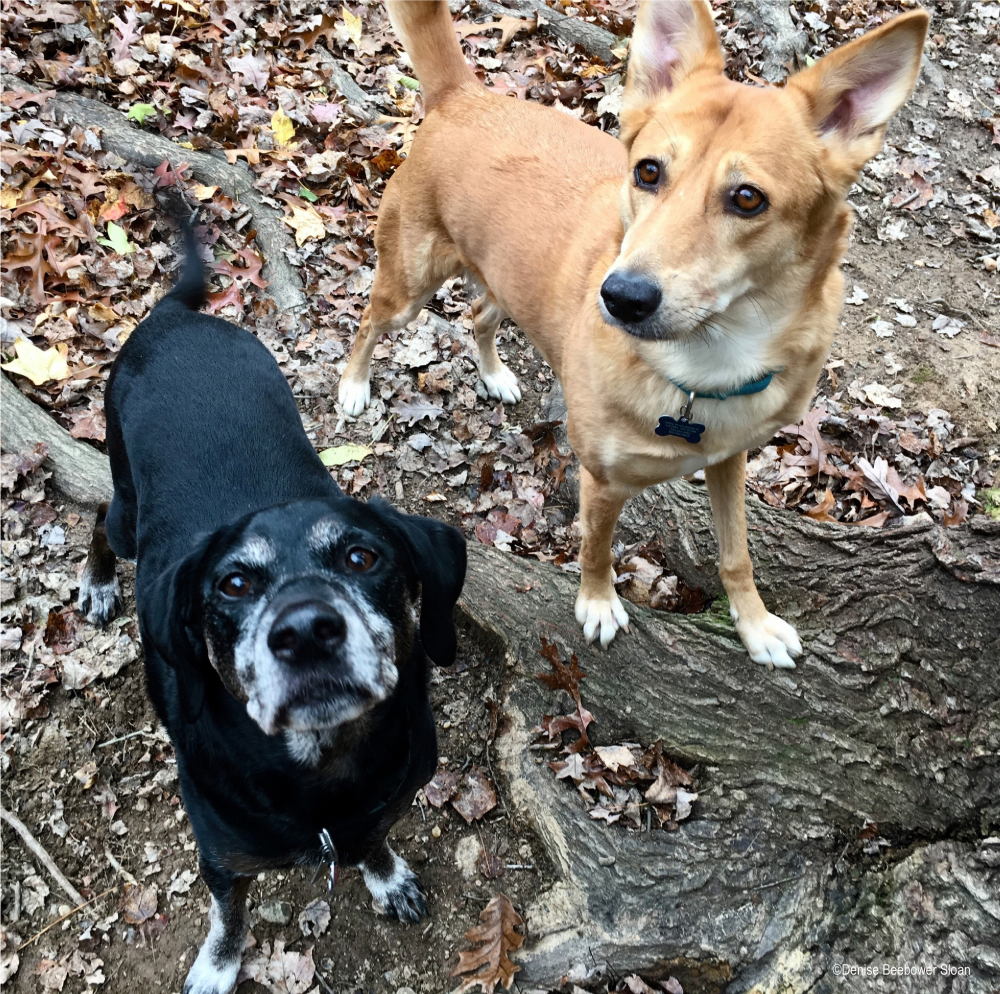
For most of my husband’s career we were a two dog family.
Military housing does restrict the number of pets as well. Two’s the limit unless you get an exception to policy letter from housing. I know people who have successfully done this and others that were denied.
For service members living in the barracks, you aren’t allowed any type of pet. So before adopting, make sure you are allowed to live off the installation.
When They Can’t Go
Deployments and PCSes can pop up with little notice. Sometimes your pets can’t go, so it’s important to have a pet care plan in mind before that happens. The last thing you want is your pet ending up in a shelter. Many surrendered animals don’t make it out of the shelter.
Obviously a pet isn’t going on a deployment with a single soldier. But where will it go? Another family member? A friend? Boarding? Foster care?
There are other reasons you might not be able to take a pet with you: PCS orders to a country that restricts your pet’s breed, your pet can’t pass a temperament test, your animal is in poor health or you can’t afford to fly them to the next assignment.
There are several organizations that match military service members with foster care, help with transportation of pets or provide monetary help. Dogs on Deployment, Leave No Paws Behind USA and the International SPCSA are three. Start the application process as soon as possible after receiving orders as it can take some time to find a foster or other help. See the “Resources” section at the end of the article for more ideas.
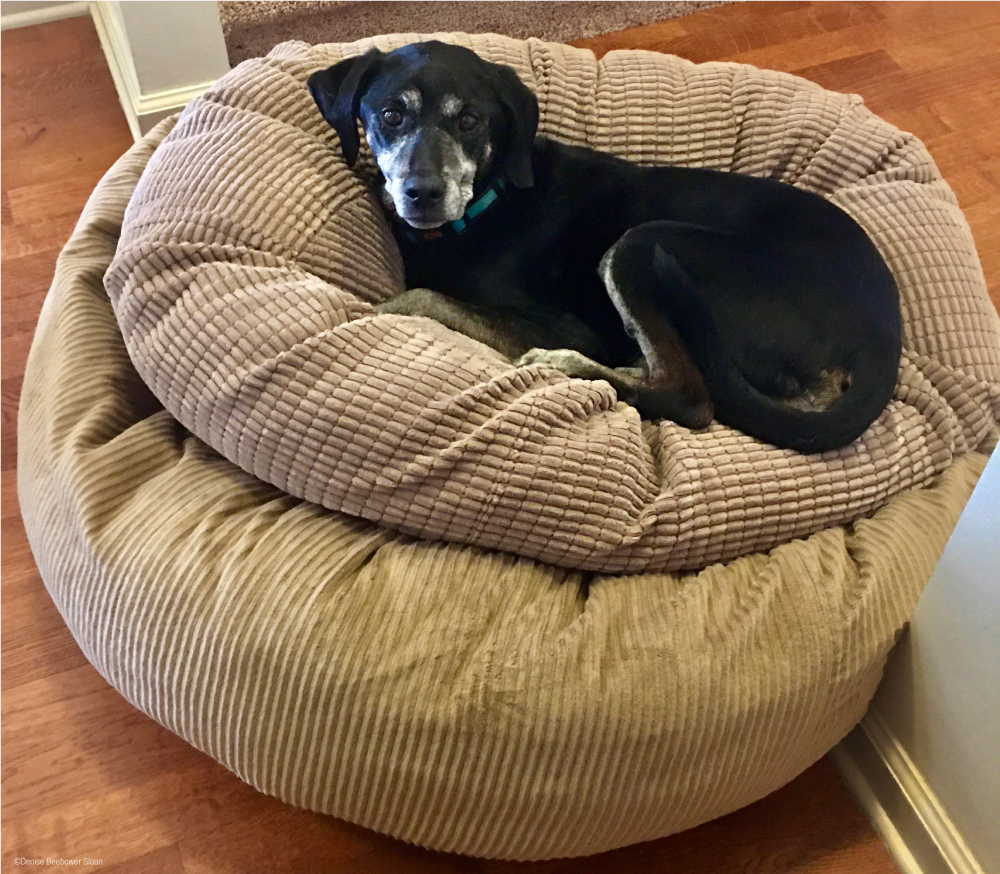
Several of our dogs lived to age 15.
Most of our dogs lived to age 15. But flying them overseas the last couple of years would have been extremely stressful and hard on them. Thankfully, we didn’t have any OCONUS assignments the last couple of years they were alive. But if we had, we most likely would have left them with a family member. It’s good to think about a plan when you’re not under the stress of a deployment or PCS.
Military vs Civilian Veterinarians
When we first adopted our dogs they were young and healthy. We used the military veterinarians. The vaccinations were cheaper and the clinic convenient. But as time went on I realized military vets were very limited in what they could treat.
This came to a head when one of our dogs was bitten by a copperhead snake and almost died. As soon as I realized he’d been bitten I called the clinic on post and was told they couldn’t treat him. Thoroughly shaken, I eventually drove to a new-to-me emergency clinic off post. Our dog lived, but the time I lost trying to find someone to treat him did set him back.
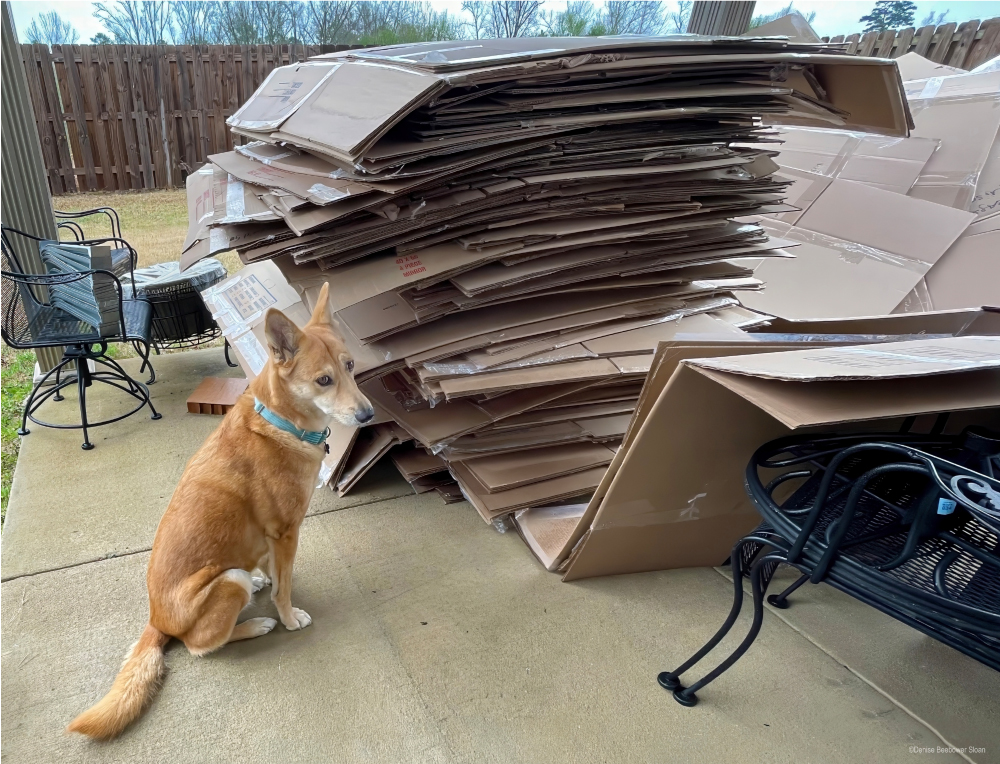
Eventually I switched to civilian vets for our dogs to give them consistent care.
Military veterinarians prioritize treatment of military animals and they also conduct food food safety inspections on bases. While they do offer basic appointments for family animals, they can’t handle emergencies, hospitalizations, most surgeries or grooming. Some installations may offer separate boarding facilities. I eventually switched to civilian vets to provide continuity of care. I still had to register the dogs through the installation’s vet clinic, but they received treatment off post.
If, however, you receive OCONUS PCS orders, the military veterinarian is your best friend. They should be able to walk you through the tests, best travel arrangements and quarantine requirements for your move to the new country or state.
Training the People and the Pets
Cat people have an advantage over dog people. Cats don’t need trainers, but often your dog does. In my experience the problem usually isn’t the dog, but me. Each time we’ve adopted a new dog, we’ve had to hire a trainer to help us work through that “adjustment” period.
Investing time and money training your dog (and you) will pay off each time you PCS.
Specifically teaching your pets to happily go in a kennel will pay off. By accident, we taught our first two dogs to love their kennels. We had no idea how helpful this would be down the road when we were moving overseas and had to kennel the dogs.
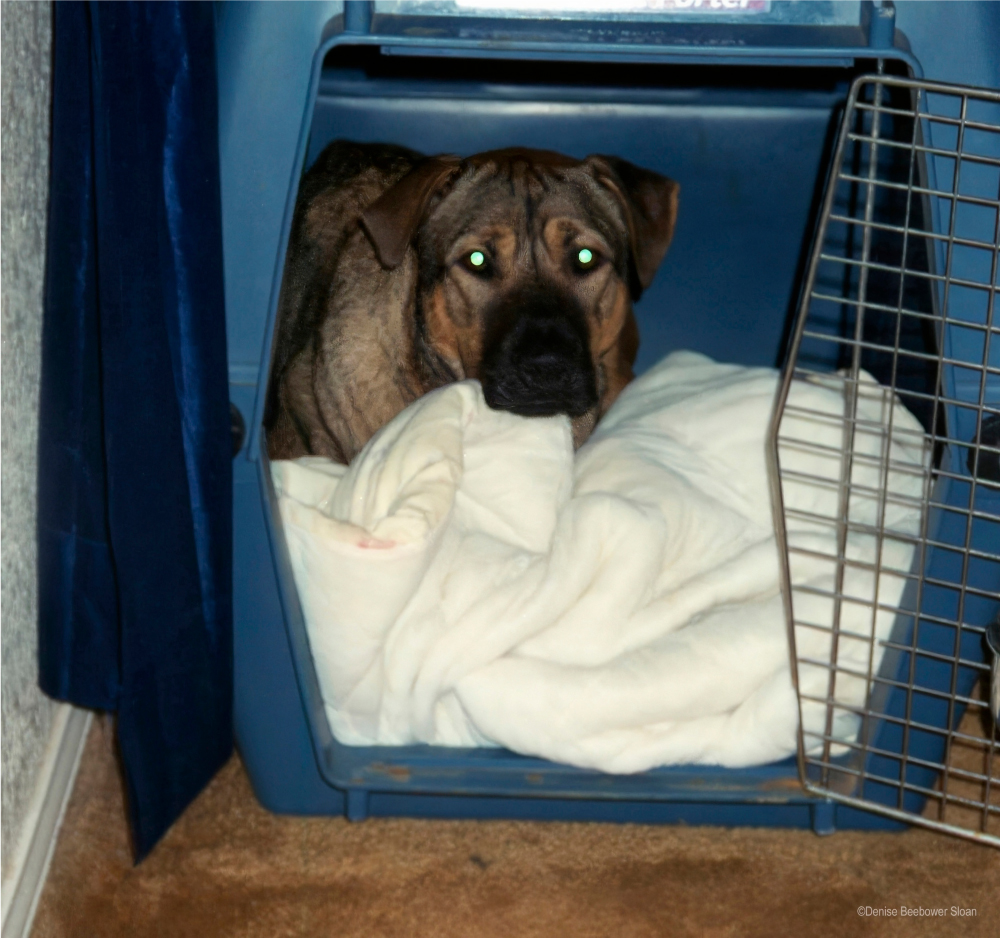
Kennel training was a smart investment in our dogs.
Kennel training takes time and patience. There are many books, videos and trainers available, but these books were particularly helpful, The Power of Positive Dog Training (Amazon link) by Pat Miller and Click to Calm by Emma Parsons. We highly recommend kennel training as soon as possible after adopting your new friend.
Next train your pet to ride in the car. Our third dog, Lucky, clearly found car rides distressing. The day we adopted him, we’d planned on using a dog seat belt since we knew he wasn’t kennel trained.
But we got more than we bargained for on the way home. Not only did he escape from the said seatbelt in two seconds flat, Lucky turned into a 50-pound stressed, ball of energy launching himself back and forth over the seats of the mini van while howling his head off.
After watching our other dog Bailey smash himself against the vehicle window to avoid the the furry missile that just invaded his van, we decided the new guy would have to ride in a kennel for all future trips.
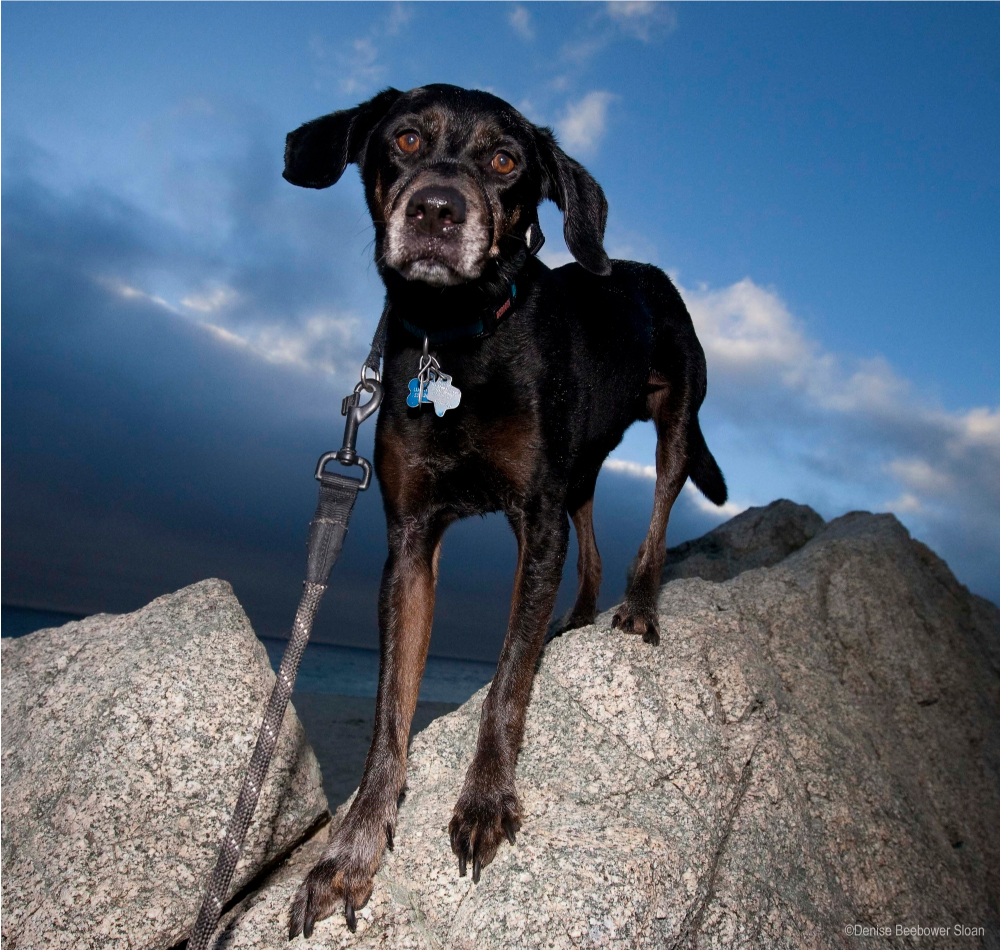
Lucky traveled across America from coast to coast.
Kennel training went well in the house, so we eventually loaded him into the car. Within a few minutes of driving, we heard the distinct sounds of doggie vomiting coming from the motion-sick dog now trapped in his kennel.
After cleaning up that disgusting mess, we consulted with our dog trainer who suggested starting with an extremely short trips around the block and building up to a 30 minute trip to help him overcome motion sickness. To reduce sickness, we also fed him several hours in advance of our trip and made sure he got a nice long walk before loading up.
I’m happy to report Lucky became a champion road tripper who didn’t throw up and only howled when he was convinced he was being left behind at road stops. That, by the way, was a short two second window of quiet.
Faithful, Loyal and Brave
Over 24 years and 11 PCSes our dogs kept me company during deployments, made us laugh and helped us joyfully explore new territories. Military life did make some of those times challenging, but our dogs were worth every effort, inconvenience and dollar we invested. Our military journey would have been incomplete without our furry companions.
Resources
Over the years, we’ve found some great resources for general dog care and supplies, road trips, hotels and military specific information. We hope this list helps make your furry companions’ military journey a little easier.
Canine Enrichment Facebook group
Traveling with Dogs Facebook group